The MetalBear Guide to KubeCon EU 2026 in Amsterdam
KubeCon is back in Amsterdam, and we couldn’t be more excited. From March 23 to 26, over 12,000 cloud native practitioners and builders will descend on the RAI for KubeCon + CloudNativeCon Europe 2026. It’s going to be big and it’s going to be packed. And if you’re anything like us, you’ll want a plan before walking through those doors.
We’ve been to enough KubeCons by now to know what works and what doesn’t. So here’s our honest, opinionated guide to making the most of this one, covering what we think the big themes will be, which sessions we have our eye on, what to do on the show floor, and the questions we think are worth asking to really make the most of the event.
What You’ll Be Hearing About
Every KubeCon has its undercurrents, the topics that end up dominating hallway conversations regardless of what’s on the official schedule. Based on everything we’ve been seeing in the community, here are the three themes we expect to define this year’s event.
AI Agents Meet Kubernetes
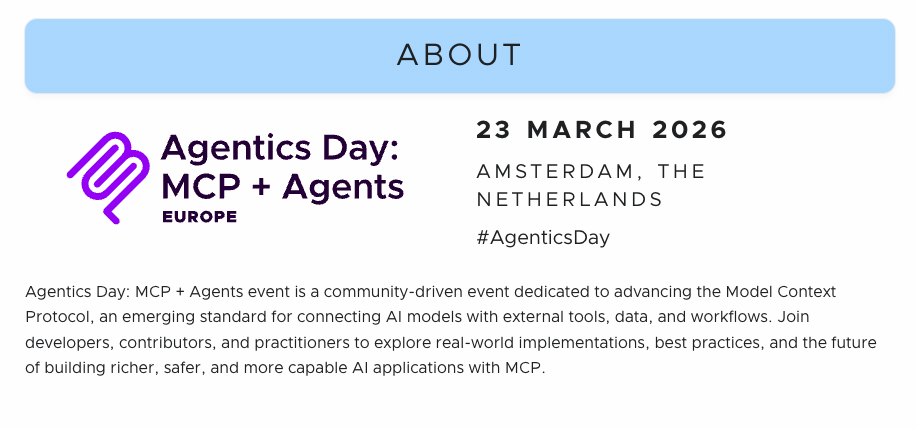
This is the big one. AI on Kubernetes isn’t new, but what’s shifted dramatically is the conversation around agentic systems. We’re past the “can we run an LLM on a cluster?” phase and firmly into “how do we let autonomous agents interact with production infrastructure safely?” There’s obviously a lot more to AI on Kubernetes than agents alone (inference optimization, model serving, GPU scheduling, and training pipelines are all evolving fast), but agents are where the energy is right now. The introduction of Agentics Day as a dedicated co-located event on Day 1 tells you everything you need to know about where the momentum is.
At the center of this shift is MCP (Model Context Protocol), which is quickly becoming the bridge between AI models and the tools they need to be useful, with Kubernetes as the runtime underneath it all. Expect a lot of conversation around how teams are actually deploying agents that can reason, take action, and interact with real systems, not just generate text. This is where cloud native infrastructure gets genuinely interesting again.
Platform Engineering Is Growing Up
The platform engineering movement has matured significantly since it first started gaining traction at KubeCons past. What used to be “we built an internal developer portal” has evolved into real conversations about standardization, governance, and self-service that actually works at scale. Teams are now asking harder questions about how to measure the impact of their platforms, not just build them.
If your org is building a platform or evaluating one, this KubeCon will likely give you more concrete, battle-tested patterns than any previous year.
Security and Sovereignty in Focus
Being in Europe, you can expect data sovereignty and compliance to feature heavily. The EU AI Act, GDPR enforcement, and the broader push toward sovereign cloud infrastructure are creating new constraints that cloud native teams have to design around. Sessions on multi-tenancy, confidential computing, and supply chain security will be worth your time if you’re operating in regulated environments.
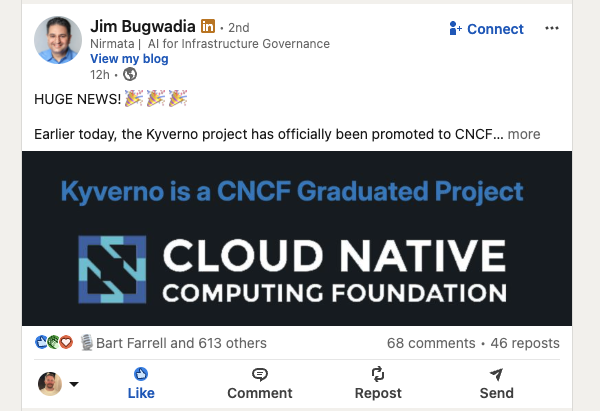
On the policy side, it’s worth noting that Kyverno just moved to CNCF Graduated status on March 16, barely a week before KubeCon. For teams dealing with policy-as-code across Kubernetes clusters, that graduation signals real maturity and community confidence. Expect Kyverno to come up in a lot of conversations on the show floor, especially around admission control, compliance automation, and how organizations are standardizing policy enforcement at scale.
Sessions We’ve Got Our Eye On
With 200+ sessions across 10+ tracks, the schedule is overwhelming (as always). Here are the ones we’ve bookmarked.
Agentics Day (Monday, March 23, Hall 7 | Room A) is the standout co-located event. More than ten talks on MCP and agents, including “Sandbox Operator: Enabling Session-Aware, Efficient MCP Tool Execution in Kubernetes” from Alibaba’s Mingshan Zhao and Zhen Zhang. If you want to understand how Kubernetes controllers are being adapted to manage AI tool execution lifecycles, this is the one.
“AI Agents & Platform Engineering: Efficiency boost or new source of trouble?” is a panel with Cisco, Red Hat, AWS, Solo.io, and the UN. It’s rare to get that many perspectives in one room on whether agents are actually helping platform teams or just creating new failure modes.
“GPUs on Kubernetes: What Actually Happens When You Request Nvidia.com/gpu: 1” from Gulcan Topcu and Daniele Polencic (Wednesday, Hall 8 | Room G). If you’re running or planning to run GPU workloads, this is the kind of nuts-and-bolts session that changes how you think about your scheduling and cost story.
“SBOOM: Making SBOMs Play Together” is one for anyone dealing with compliance tooling. Reconciling conflicting SBOMs and vulnerability reports across tools is a real pain point, and with CRA deadlines approaching, this is worth your time.
On the keynote stage, “From Inference to Agents: Where Open Source AI Is Headed” and “Scaling Platform Ops with AI Agents: Troubleshooting to Remediation” both sit at the intersection of AI and operations. And if you’re interested in how real companies are handling Kubernetes at scale, the practitioner case study sessions are always where the gold is.
5 Questions Worth Asking at KubeCon
The most valuable takeaways often come from the conversations you start, not the talks you attend. Here are five questions worth having in your back pocket for hallway chats, booth visits, and post-session debates.
“If and how are you running AI/LLM workloads on Kubernetes?” Ask about concrete patterns for GPU scheduling, inference serving, and which projects (Kueue, Ray, KServe) are actually production ready.
“What’s your platform engineering / IDP story heading into 2026?” Ask about buy vs. build trade-offs, product-managing the platform, and golden paths for AI workloads on top of Kubernetes.
“How are you staying compliant with EU rules without killing velocity?” Ask about the minimal viable stack for CRA, SBOM, data residency, and cross-border AI data flows.
“What does ‘secure-by-default’ Kubernetes look like for your team?” Ask about artifact signing, admission policy, runtime controls, and balancing security gates with developer experience under CRA pressure.
“How are you keeping cost and complexity under control at AI-scale?” Ask about GPU autoscaling, FinOps around Karpenter and Spot, and whether multi-cloud or multi-cluster is the simpler path to resilience.
Come Find Us (Twice)
This year we’ve got two spots on the show floor, so you have no excuse not to say hi.
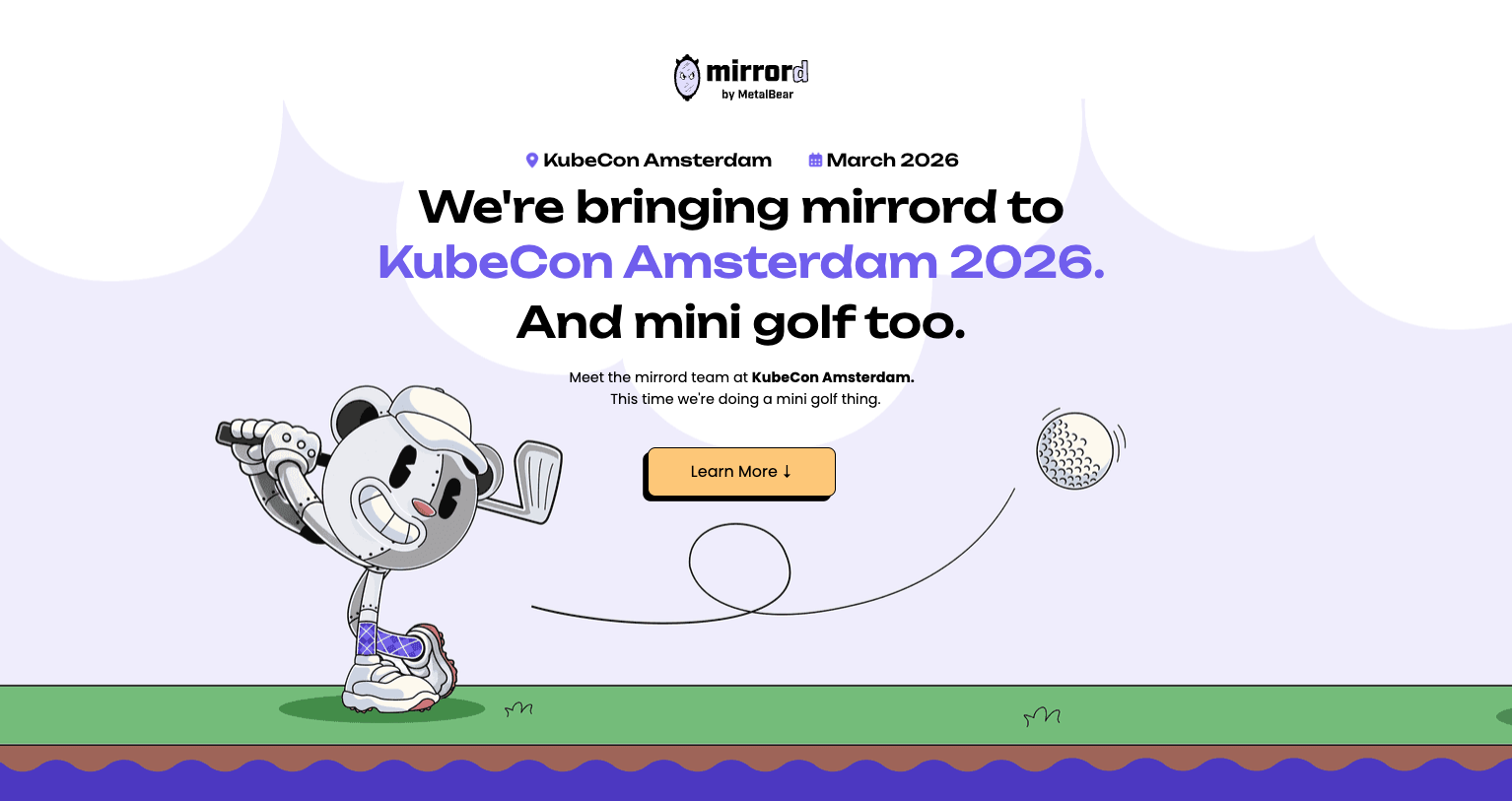
Booth 1160 is our main home base in the Solutions Showcase. This is where you’ll find the team ready to talk about how your org handles the inner dev loop, what’s working, what isn’t, and whether mirrord could help. Whether you’ve been using mirrord for a while or have never heard of it, swing by for a chat. The conversations at the booth are always some of the best parts of KubeCon for us.
Then head over to Activation Booth S580 for something a little different: a mirrord mini-golf course. You’ll putt your way through physical versions of cloud developer pain points, comparing the legacy dev loop path against the mirrord route. Daily top scorers on each route win prizes, and yes, we take this very seriously.
And of course, the swag situation will be handled at both locations. We can’t say too much yet, but if you’ve seen our previous KubeCon sticker game, you know what to expect.
Unwind With Us After Hours
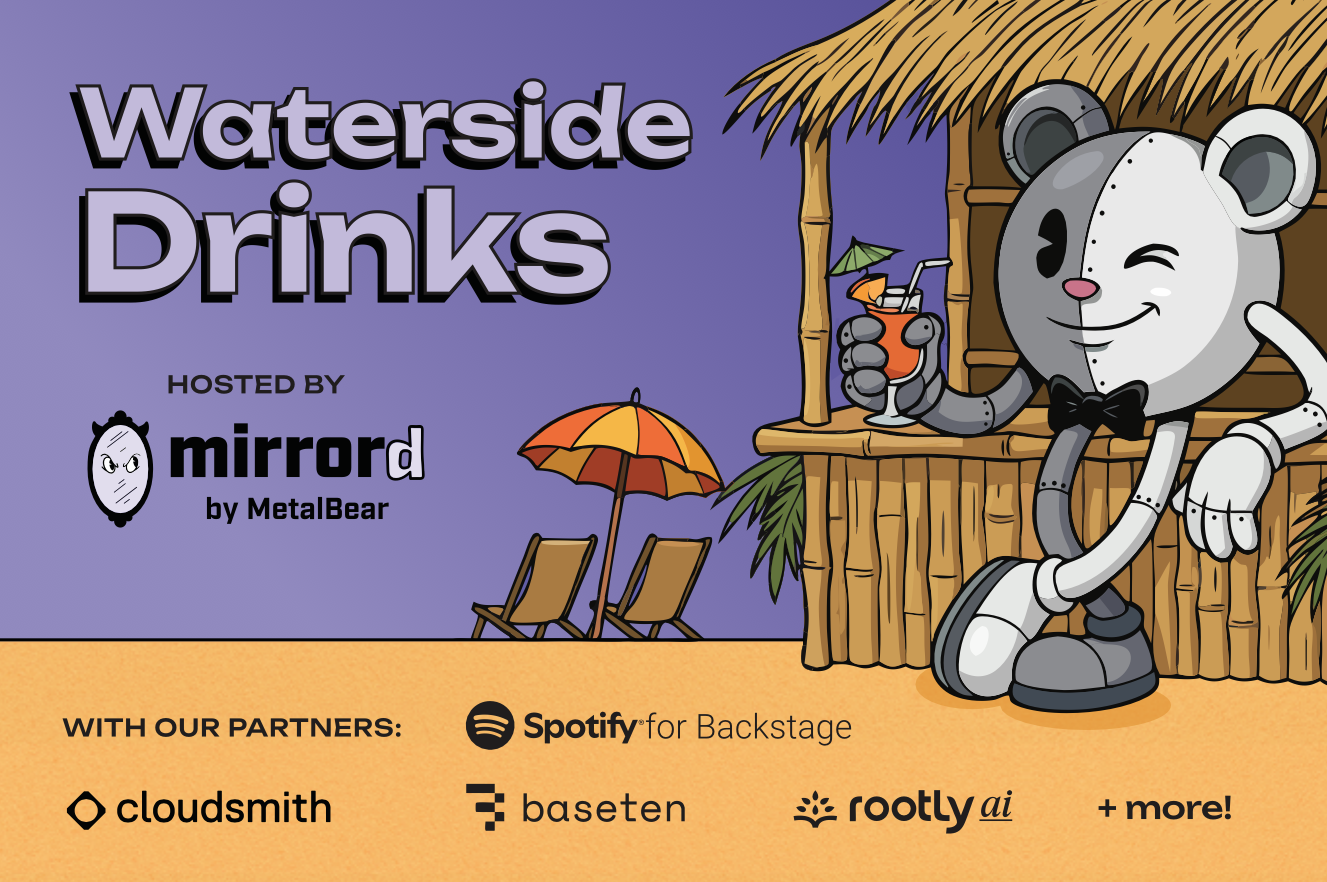
KubeCon evenings are just as important as the conference itself. We’re co-hosting a side event with Rootly AI, Checkly, Cloudsmith, and Spotify for Backstage, and you’re invited. It’s a chance to decompress, meet fellow attendees in a more relaxed setting, and have the kind of conversations that don’t happen in a 30-minute talk slot. RSVP here to save your spot.
If you’re looking for a full list of parties and side events, conferenceparties.com maintains an unofficial but very thorough rundown.
The Practical Stuff
A few things we’ve learned the hard way at previous KubeCons:
Wear comfortable shoes. The RAI is enormous and you’ll be on your feet all day. This is not the time for new shoes.
Plan your schedule but leave gaps. The hallway track is real. Some of the best conversations happen between sessions, and if your calendar is fully blocked, you’ll miss them.
Co-located events on Monday are worth it. Agentics Day is the obvious pick this year, but events like BackstageCon and Open Source SecurityCon are also running on March 23 and tend to be more intimate, focused experiences.
Bring business cards or have your LinkedIn QR code ready. You’ll meet a lot of people. Make it easy to stay in touch.
Stay hydrated and eat. Conference brain is real. The RAI has food options, but lines can be long during peak times. Grab something early.
See You in Amsterdam
Whether you’re a KubeCon veteran or this is your first one, Amsterdam is going to deliver. The cloud native community is in a genuinely exciting moment, with AI reshaping how we think about infrastructure, platforms maturing into something that actually helps developers move faster, and the ecosystem continuing to grow in every direction.
Come find us at Booth 1160 for a proper chat, head to Activation Booth S580 to challenge yourself on the mini-golf course, and join us at our side event to unwind after a long day on the show floor. We’d love to hear what you’re building, what’s broken, and what you’re hoping to learn.
Follow us on LinkedIn for live updates during the conference.
See you there!